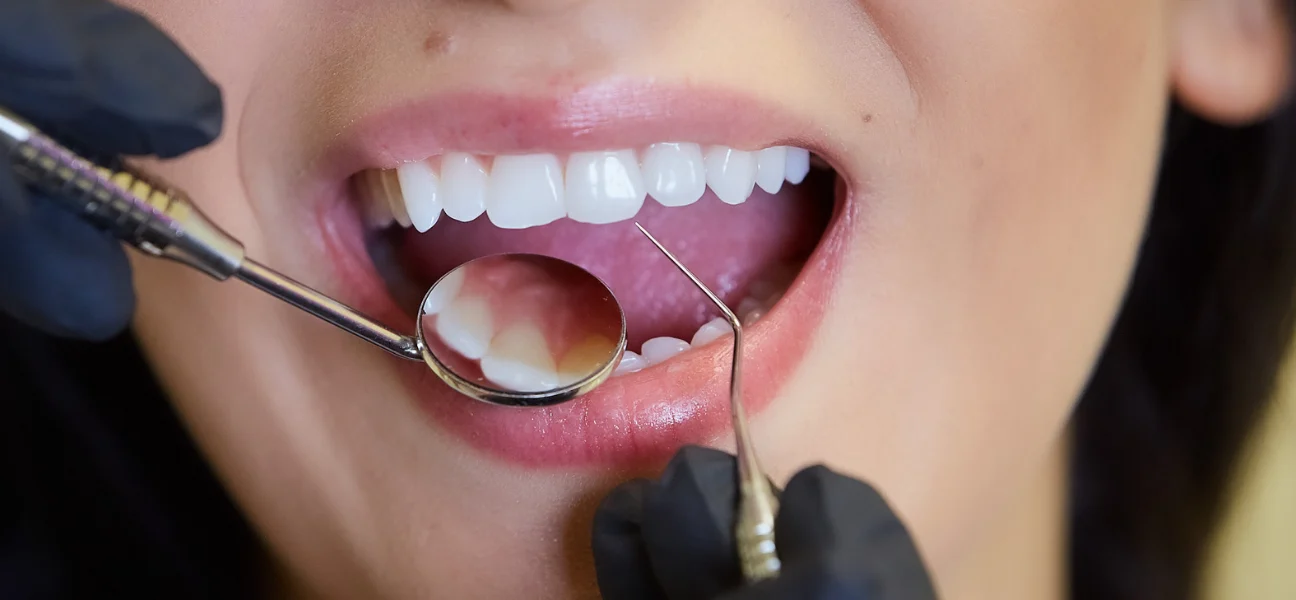
Composite bonding has become one of the most popular and versatile cosmetic dental treatments in the UK. It offers a fast, non-invasive, and cost-effective way to correct various aesthetic issues, from closing gaps and repairing chips to reshaping teeth. However, as with any dental restoration, a common and critical question arises: How long does composite bonding actually last?
The quick answer is that composite bonding is not a permanent solution, but with the right care and expertise, it can provide beautiful results lasting anywhere from five to ten years, and sometimes even longer.
At ODL Dental Clinic, a leading provider of cosmetic dentistry in London, we believe that understanding the factors that influence the lifespan of your bonding is key to maximising your investment and maintaining a brilliant smile.
Composite bonding involves applying a tooth-coloured resin material (a mixture of plastic and fine glass particles) directly to the tooth surface. This material is sculpted by the dentist and hardened using a high-intensity light.
The composite resin used today is highly advanced, but it is inherently different from porcelain materials used in veneers or crowns.
The relatively shorter lifespan is balanced by the affordability, speed, and conservative nature of the treatment, making it an excellent choice for many patients seeking a rapid smile transformation.
The true lifespan of your composite bonding is less about the material itself and more about how you treat it and the skills of the clinician who placed it.
This is arguably the most important factor. The longevity of bonding relies heavily on:
The way you use your teeth directly impacts the lifespan:
Since composite resin is slightly porous, it can absorb pigments over time, leading to discolouration.
While nothing can make composite last forever, adopting excellent maintenance habits will push its longevity toward the higher end of the typical 5-to-10-year range.
Your daily routine should be meticulous but gentle:
Beyond daily care, professional maintenance is key:
Q: Can composite bonding be repaired or touched up?
A: Yes, this is one of the main advantages. Unlike porcelain restorations, composite bonding can usually be repaired, added to, or polished by your dentist without needing to replace the entire restoration. If a small chip occurs, the specialist can simply bond a small new layer of composite to the area.
Q: Does bonding require any special cleaning products?
A: Not necessarily. You should generally avoid highly abrasive whitening toothpastes, as these can etch the surface of the composite, making it duller and more susceptible to staining. Our dentist can recommend appropriate non-abrasive products.
Q: If bonding lasts 5-10 years, what happens when it wears out?
A: When the bonding reaches the end of its lifespan, it might show signs of excessive staining, wear, chipping, or cracking. Your dentist will assess the extent of the damage. Often, the old composite is painlessly removed and replaced with a fresh layer of material in a procedure known as re-bonding. Alternatively, some patients may choose to upgrade to more durable porcelain veneers at this point.
Q: Is composite bonding covered by the NHS in the UK?
A: Composite bonding is primarily considered a cosmetic treatment. While the NHS may cover bonding if it is deemed clinically necessary (for example, to protect exposed dentine or after trauma), it is generally a private treatment when performed purely for aesthetic enhancement.
While composite bonding is not permanent, its impressive longevity, coupled with its transformative aesthetic results, makes it an outstanding choice for a non-invasive smile makeover.
The key to achieving the maximum lifespan from your treatment lies in the combination of expert application and diligent aftercare. The experienced cosmetic dentists at ODL Dental Clinic are experts in the precise placement and careful contouring of direct composite bonding, ensuring a seamless, beautiful, and long-lasting result.
If you are looking for high-quality cosmetic dental treatments in Central London and want a beautiful smile that lasts, look no further.
Contact the ODL Dental Clinic in Finsbury Circus, Central London, today to book your consultation. We will assess your suitability for composite bonding and provide a tailored plan to give you a brilliant smile with a lifespan you can be confident in.


