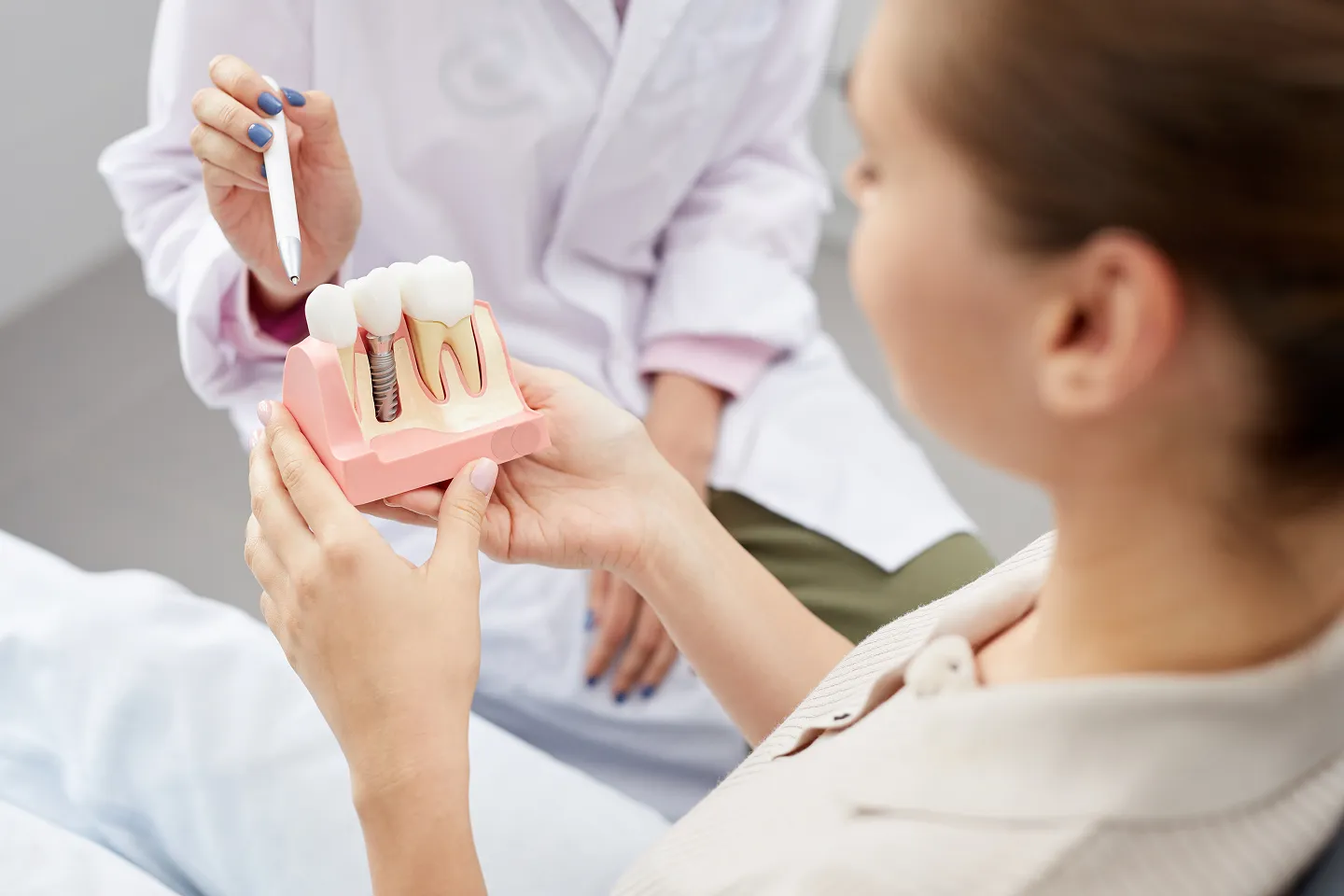
Choosing to fix a missing tooth is a big step. Whether you are getting a single tooth replaced or a full set, restoring your smile is an important milestone. However, like any minor surgical procedure, the first few days of healing can come with mild to moderate discomfort, swelling, or tenderness. If you have just had dental implants, you are probably looking for the best ways to stay comfortable while you heal.
At ODL Dental Clinic, we find that knowing what to expect makes the whole process much easier. While the idea of dental surgery can feel unfamiliar, especially in the first few days, most people find that the recovery is easy to handle with a simple plan and the right care at home. Here are some clinically recommended ways to soothe your mouth and support healing. If you are still exploring your options, you can learn more about our dental implants treatment in London.
Most of the new sensations happen in the first two days after your visit. This is your body’s natural response to the procedure. You might notice slight to moderate swelling, minor bruising, or a dull, consistent ache in the jaw area. This is completely normal and indicates that healing has already begun.
One of the best ways to stay comfortable is not to wait until the pain becomes intense before taking action. Many patients benefit from taking their first dose of pain relief while the numbing from the clinic is still effective. This helps ensure a smoother transition as the local anaesthetic wears off.
It is important to follow the specific advice given to you at ODL Dental Clinic about dosage and timing, as your plan will be tailored to your individual needs. If your discomfort feels unusual or difficult to manage, it is best to contact your dentist promptly for reassurance.
Swelling is often responsible for the throbbing sensation after treatment. Using a cold pack or a bag of frozen peas wrapped in a clean cloth can help reduce inflammation. Hold it against the outside of your cheek for about 10 to 15 minutes, then take a break. Repeat this every 2–3 hours during the first 24 hours to effectively control swelling.
Along with managing discomfort, keeping your mouth clean is equally important for proper healing. The treatment area is delicate, so care must be gentle and controlled.
To understand more about implants, read our guide on what are the three types of dental implants.
Once the first 24 hours have passed, you can begin using warm saltwater. Mix half a teaspoon of salt into a glass of warm water. Instead of rinsing forcefully, take a sip, tilt your head to allow the solution to reach the area, and let it gently flow out without swishing. This helps keep the area clean while soothing the gums.
Continue brushing your other teeth as usual, but avoid direct contact with the implant site for the first few days. When advised by your dentist, use a soft-bristled toothbrush. A helpful approach is to soften the bristles further by running them under warm water before use.
What you eat plays an important role in your recovery. Putting pressure on the implant site can cause discomfort, so softer foods are recommended during the initial healing phase.
Avoid crunchy, spicy, or very hot foods to prevent irritation.
You may feel ready to return to your routine quickly, but your body needs time to recover. For the first 48 hours, avoid strenuous activity, heavy lifting, or intense exercise. Increased blood pressure can lead to throbbing or renewed bleeding.
When sleeping, use an extra pillow to keep your head elevated. This helps reduce blood flow to the area and minimises the pulsing sensation some patients experience when lying flat.
While mild discomfort is expected, certain symptoms require attention. If you experience sharp pain that worsens after the third day, a persistent unpleasant taste, or develop a fever, contact ODL Dental Clinic immediately. These signs may indicate that further evaluation is needed. If you have concerns about eligibility, you can also read if you can have dental implants with gum disease or not.
The short recovery period is worthwhile for the long-term benefits. Dental implants in London are designed to look, feel, and function like natural teeth, offering a durable and reliable solution. You can also read more about post-surgical care in this trusted resource on dental implant recovery and aftercare.
How long does the soreness last?
Most people find the main discomfort improves within 3 to 5 days. You should feel significantly better by the end of the first week, with near-complete recovery within two weeks. You can also understand long-term outcomes in our guide on how long do dental implants last.
Why does my jaw feel stiff?
It is common for jaw muscles to feel tight after a long procedure. This usually resolves within a few days as normal movement resumes.
When can I go back to work?
Many patients return the next day if their work is not physically demanding. For more active roles, taking a couple of days off is advisable.
Why do implants hurt more at night?
When lying down, increased blood flow to the head can make inflammation feel more noticeable. Elevating your head can help reduce this effect.
What if the implant still hurts after two weeks?
If pain persists beyond 14 days, contact your dentist. Healing times can vary, but prolonged discomfort should be assessed.


