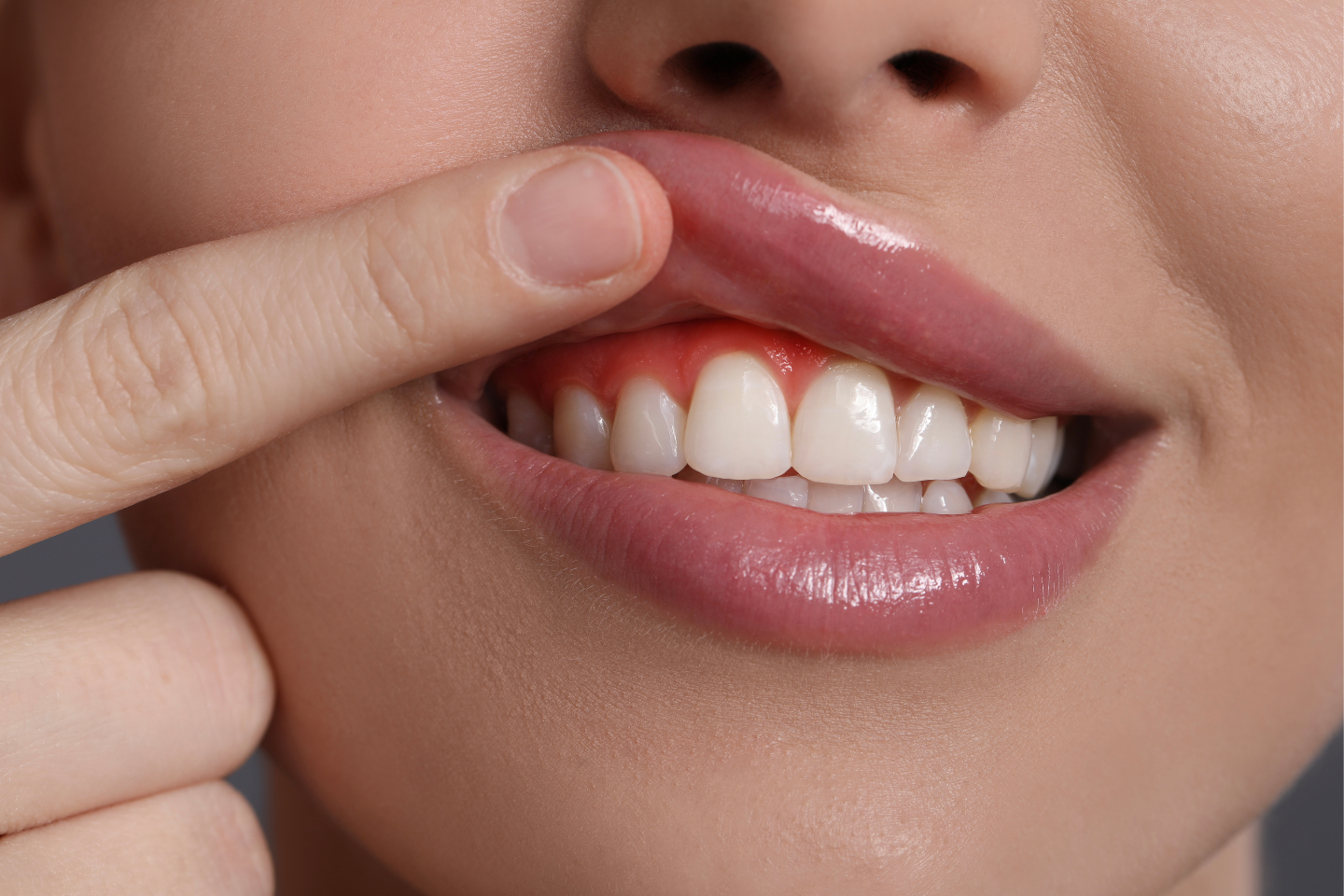
Gum disease is one of those common dental issues that easily flies under the radar, often developing quietly without any obvious warning signs. What starts as mild, easily missed inflammation can steadily worsen if it is left to sit. Fortunately, if you catch it early and stay consistent with your daily habits, you can often turn things around and support your oral health for years to come.
In this quick guide, we will look at what typically triggers gum issues in the first place, how to address them effectively, and the practical steps modern dental care uses to help get your gums back into better shape.
At its core, gum disease almost always starts with a buildup of plaque, which is just a sticky layer of bacteria that constantly forms on your teeth throughout the day. If it is not cleared away properly, this bacteria starts to irritate the sensitive gum tissue, leading to swelling and inflammation.
A few everyday things can make you more vulnerable to this buildup:
In its earliest stages, gum disease is usually completely reversible with a mix of better daily cleaning and a trip to the dentist. However, if it goes unchecked, it can start to weaken the deeper structures that actually hold your teeth in place. Understanding where the problem starts is always a key step in learning how to care for your gums and protect your smile.
When gum disease is caught early, a stage commonly known as gingivitis, it can usually be turned around with a little extra focus on your daily oral care routine and some guidance from a dental professional.
A few essential daily habits to focus on include:
During this early phase, you might notice your gums looking a bit red, swollen, or bleeding slightly when you brush. Try not to ignore these early warnings, as they are your body’s way of flagging inflammation. Addressing early gum issues is rarely about complicated treatments; it is mostly about daily consistency. Small, simple changes to your morning and evening routine can make a massive difference over time.
Once plaque sits on your teeth long enough, it can harden into a substance called tartar, which is impossible to remove with a standard toothbrush at home. This is exactly why booking a professional dental cleaning is such a critical part of addressing gum issues.
When you go in for a hygiene appointment, your clinician will typically focus on:
These professional cleanings do a fantastic job of knocking down the bacterial load that drives gum issues forward. This clears the path for your gum tissue to finally heal and tighten back up. Many patients notice a major improvement in how comfortable their mouth feels, along with far less bleeding, after combining regular professional cleanings with solid habits at home.
In those early windows, gum disease can often be completely reversed with the right oral hygiene habits and clinical support. However, if the condition manages to progress into a deeper periodontal disease, the goal shifts from a full cure to carefully managing and stabilising the issue.
The main focus of long-term management involves:
The exact strategy always depends on how far the condition has advanced. Stepping in early is easily the best way to prevent the problem from worsening. Patients who have already experienced significant bone or tooth loss may also want to explore tooth replacement options after periodontal treatment once their gum health is stabilised.
If gum disease has managed to advance further down into the roots, a standard cleaning might not cut it. In these cases, a deep cleaning treatment is usually recommended to clear out the bacteria hiding deep below the visible gumline.
This specialised process typically involves:
This thorough approach is used when standard surface cleanings are no longer enough to calm down serious inflammation. Deep cleaning is a highly effective, structured way to halt the damage and protect your smile from further issues. If you are considering treatment, understanding the expected recovery and treatment timelines can help you prepare for the process.
Once your gums are back in a healthy spot, keeping them that way becomes the main priority. A rock-solid daily routine is your best defence against the bacteria trying to make a comeback.
Make these habits part of your everyday life:
Daily consistency is absolutely everything when it comes to keeping your gums stable. Even a few days of slacking off can give bacteria the foothold they need to start building up again.
Your daily habits play a surprisingly massive role in how well your body can fight off infections and heal itself. Making a few healthy shifts can give your gums an extra layer of protection.
A few lifestyle factors that influence your oral health include:
Addressing these areas can noticeably improve your gum health alongside your regular brushing. Because gum disease is often driven by multiple factors, taking a big-picture approach to your health tends to work much better than just focusing on your toothbrush alone.
Catching the early symptoms of a problem makes it much easier to treat before things get complicated. Keep an eye out for these common warning signs:
These signs are classic indicators of underlying inflammation and should be looked at by a professional early on. Acting quickly always leads to better results and usually spares you the need for more advanced treatments down the road.
If you are worried about the health of your gums or have started noticing some of these early warning signs, getting a professional assessment is the best way to get clear answers.
At ODL Dental Clinic, we take the time to carefully evaluate your gum health and build a personalised care plan designed to restore comfort, stability, and long-term health to your mouth. If you want practical, reliable guidance on how to care for your smile, scheduling an early assessment and staying consistent with your care can make all the difference in keeping your gums healthy.


